What is a Housing Disrepair Claim?
If you rent your home from the council or a housing association, your landlord is legally responsible for keeping your property in a safe, livable condition.
When repairs are ignored or delayed, and your health or home has been affected as a result, you may be entitled to make a housing disrepair claim.
That could include problems like mould, leaks, damp, broken heating, or structural damage that’s been reported but left unresolved. Your landlord has a legal duty to fix these issues within a reasonable time. If they haven’t, you can take action to get the repairs done and possibly receive compensation.
Who is Eligible to Claim?
- You rent your property from the council or a housing association
- You’ve reported the issue to your landlord and they haven’t repaired it within a reasonable time
- The disrepair has affected your health, safety, or caused damage to your belongings
- You still live in the property that’s affected
If that sounds like your situation, we can help you understand your rights and what you could claim for.
Learn more about Our Fees and How Our Fees Work.
Common Housing Disrepair Issues
Many council and housing association tenants live with problems that should have been fixed long ago. These aren’t just annoyances and can cause real damage to your health, your home and your day-to-day life.
Here are some of the most common issues that could form part of a housing disrepair claim:

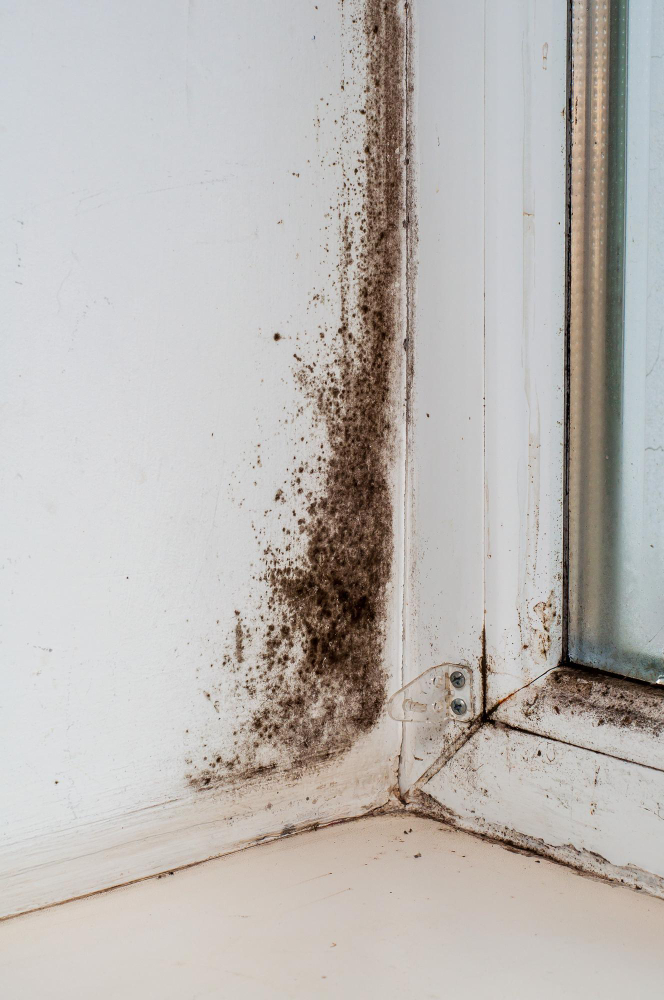
Damp & Mould

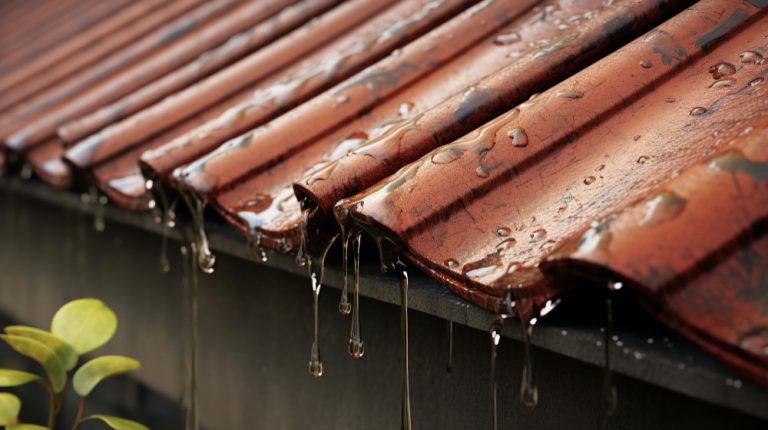
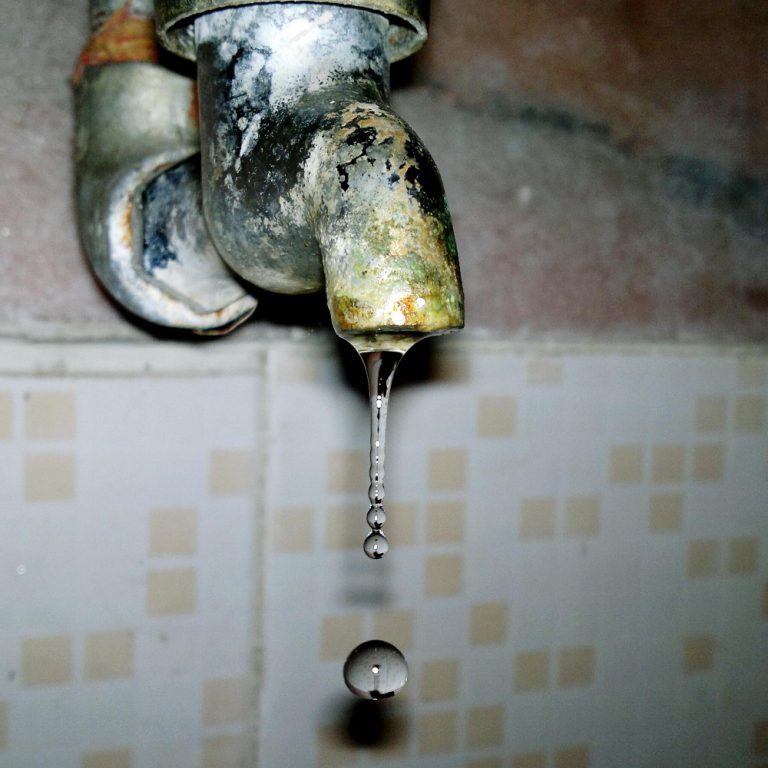
Leaks & Water Damage

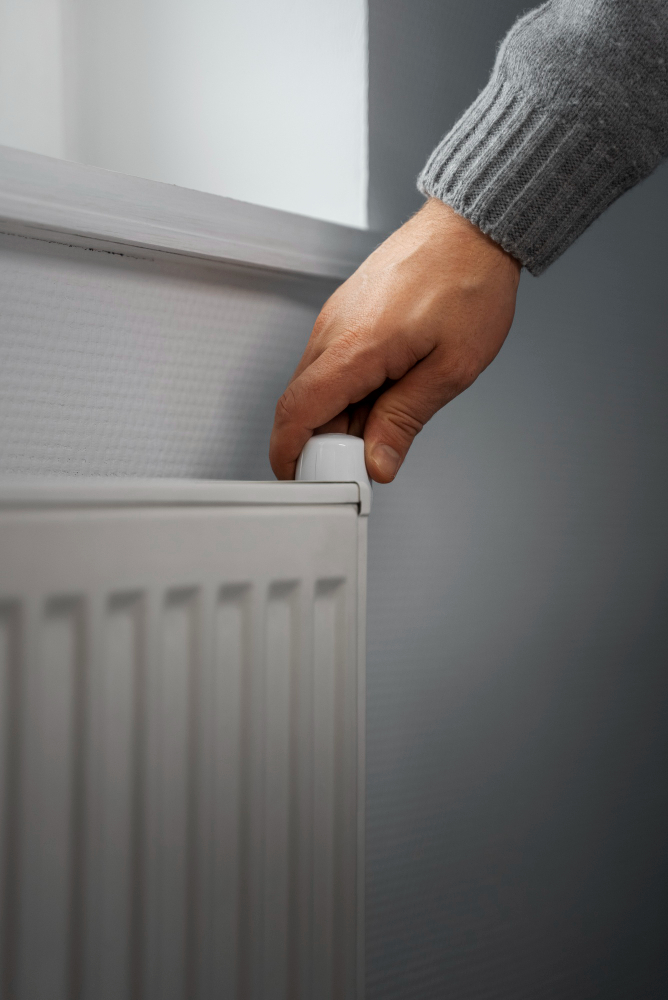
Broken Heating or Hot Water

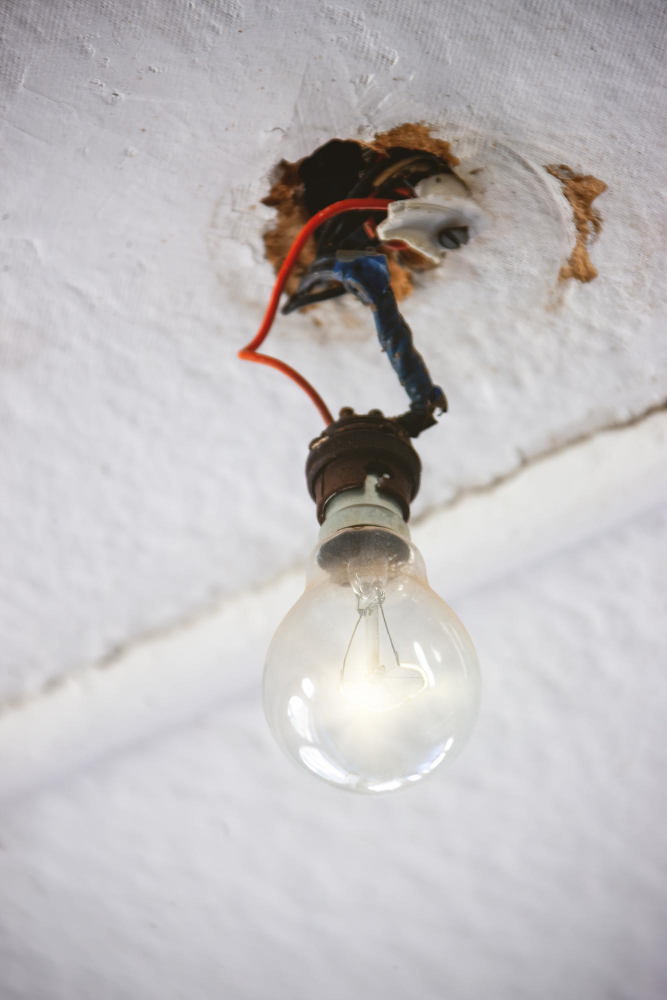
Faulty Electrics

Pest Infestations

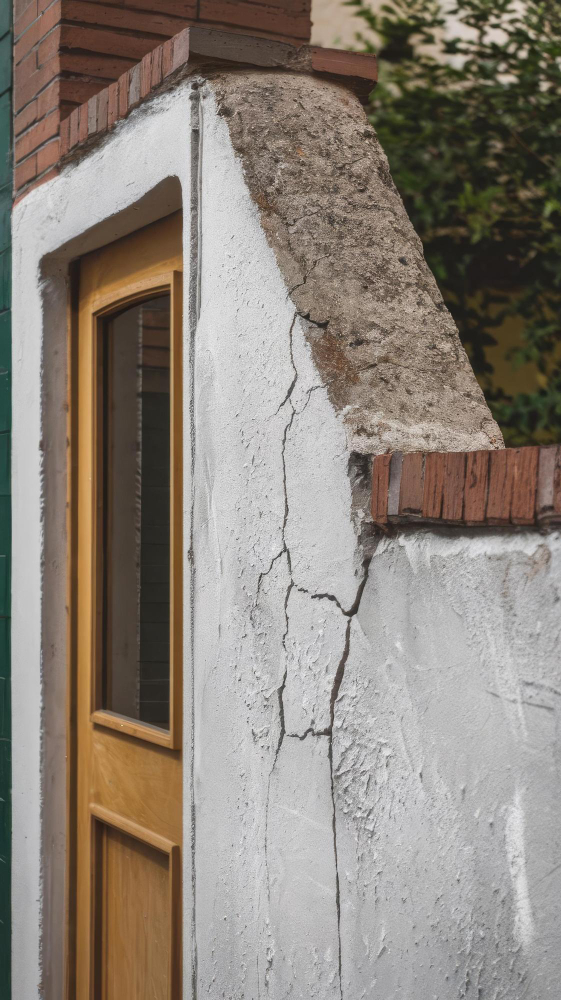
Structural Issues

Broken Windows & Doors

Plumbing Problems
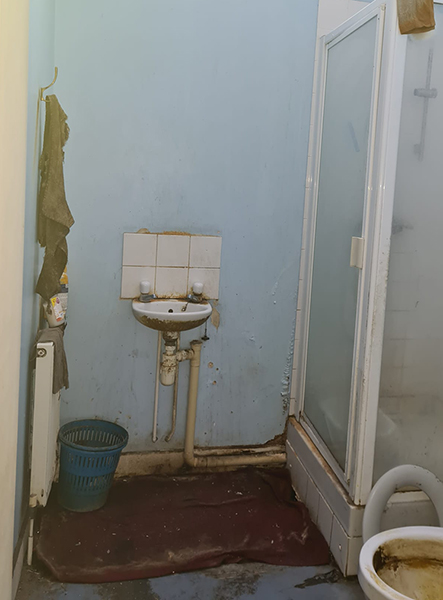
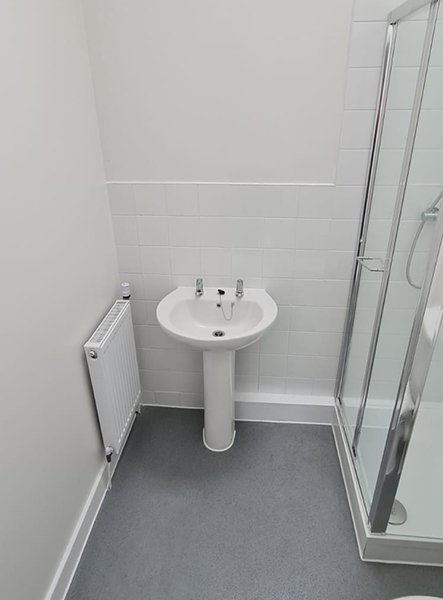
A real before and after (click here)
This is a real before and after of our client’s bathroom. They were living with serious disrepair for years. We helped them get compensation and a brand new bathroom fitted!
When can I make a Housing Disrepair claim?
If you’ve reported problems to your council or housing association and they haven’t been fixed properly or in a reasonable time, you may be eligible to claim.
You might have a valid claim if:
You’ve reported problems, but they haven’t been fixed
If you’ve told your housing officer or landlord about issues like leaks, mould, or broken heating, and they’ve ignored your requests or delayed repairs, that’s classed as disrepair.
Landlords are legally required to carry out repairs within a reasonable time once notified. If they haven’t, you may be entitled to take action.
Repairs were carried out, but the issue came back
A temporary fix or poor-quality repair doesn’t solve the problem — it just delays it. If you’ve had the same problem return after a repair, it may mean your landlord hasn’t addressed the root cause, and the issue still counts as disrepair.
Your health has been affected by the condition of your home
Long-term damp, mould, or leaks can cause serious health issues, especially for children, the elderly, or anyone with asthma or allergies.
If your living conditions have caused breathing problems, skin irritation, or stress, that’s not acceptable — and you may be entitled to compensation for the impact on your wellbeing.
Your belongings have been damaged
When leaks, damp or structural problems damage your personal property — like furniture, clothing or electronics — you could claim for the cost of replacing those items.
Your landlord is responsible for maintaining the property, so you shouldn’t be left out of pocket due to their failure to act.
You’ve had to live with unsafe or unsanitary conditions
If your home has become unsafe, unsanitary, or uninhabitable because of long-term issues like broken plumbing, exposed wiring or infestations, your landlord has failed their legal duty.
You don’t have to live in unsafe conditions, you have the right to repairs and, in some cases, compensation for the disruption caused.
You’ve lost the use of part of your home
If you’ve been unable to use a room due to damp, mould, leaks, or damage, that counts as a loss of amenity.
For example, if you can’t sleep in a bedroom or use your bathroom properly, you may be entitled to compensation for the inconvenience and reduced living standards.
Need Expert Help & Advice?
If you have reported housing disrepair issues to your landlord more than 6 months ago and the issues have not been resolved, you may be able to make a claim and get the repairs done.
Frequently Asked Questions
No. You are not required to use a law firm or claims company to make a complaint or claim for compensation.
You can raise a complaint directly with your lender yourself, and if you are unhappy with their response, you can escalate the matter for free to the Financial Ombudsman Service (FOS).
We are here to provide expert support, handle the process on your behalf, and improve your chances of navigating complex issues successfully, but the choice is entirely yours.
We understand that you want to stay informed. Our team will provide regular updates via your preferred communication method, whether that’s phone calls, emails, or text messages. You can also reach out to us anytime for updates on your claim.
The length of time a Housing Disrepair claim will take generally depends on the findings of any experts instructed, Landlords response and their willingness to engage with us in a timely manner but there is no fixed time if which a case for housing disrepair will be completed.
Our Housing Disrepair Litigation team will keep you updated at each stage and on each response, providing an explanation and advice along the way. We must look to engage in Alternative Dispute Resolution (ADR) as a way to find agreement with your Landlord.
If we do not feel that the ADR is proving worthwhile, or that your landlord is not engaging appropriately, we will then discuss the option of issuing the claim at Court.
Cases usually take around 6 – 12 months. If the case is issued at Court, however, then the claim potentially could take around 12 months to conclude.
Each claim is different and depends on how much information we have, or how responsive the defendant is. We’ll always keep you updated at key stages.
Once you’ve signed up, we’ll confirm your details and begin preparing your claim. You’ll receive a confirmation email and regular updates as we progress.